✓ RealRankly Editors·Updated October 2026·10 options reviewed·100+ sources analysed
Choosing the right sports option requires balancing performance, value for money, and design - priorities that vary widely between buyers. We evaluated 10 options across 8 criteria to help you make a confident, informed decision. Adjust the sliders above to weight each criterion to match your own needs and see the ranking update in real time.
Share:
💬 What real owners actually say
Synthesized from 2026 owner reviews & discussions across social media — the things spec sheets leave out.
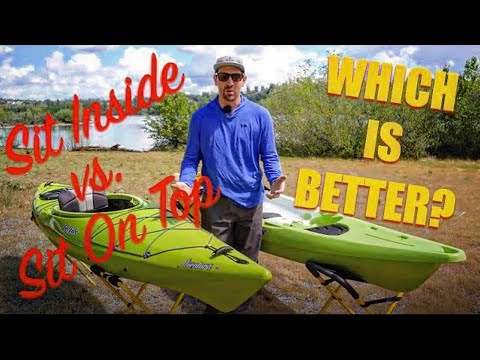
Sit-on-top vs sit-inside is the first decision. Beginners overwhelmingly lean sit-on-top for easy access and reassurance — you’re not enclosed, and there’s no dark footwell “where spiders might be.” Sit-inside runs drier and warmer for cooler water.
Kayaking is more accessible than people think. Owners with canes, or near retirement with knee, hip and back issues, report getting into it comfortably — one started with a cane and became a river guide. A stable sit-on-top lowers the barrier.
For big water, length and flotation matter. A safety note from Great Lakes paddlers: a cheap 10-foot boat without flotation isn’t enough for open water. Match the boat to where you’ll actually paddle, not just the price tag.
Stability beats speed for learning. Wider, more stable hulls (and fishing-style sit-on-tops like the Pelican Catch or Perception models) build confidence — you can even stand and fish on some, ideal for beginners who value not tipping.
Cheap-and-used is a fine start. Plenty of owners begin with a budget or secondhand boat to learn what they like before upgrading — just don’t overpay for features you can’t use yet.
Each slider sets how much each criterion matters to you (0 = ignore, 10 = critical).
Ranked Results
Default weights - scroll up to customise
What the review covers — Western Canoe Kayak
Key points from Western Canoe Kayak’s review, walking through seven recreational beginner kayaks — plus the full video below.
It walks through seven recreational beginner kayaks — Old Town Loon, Wilderness Pungo, Perception JoyRide, Eddyline Sky and a folding Oru.
The features that matter for beginners are seat comfort, weight and stability — not top speed.
It covers sit-inside and sit-on-top styles — match the type to how, and where, you’ll actually paddle.
Getting the choice right is a safety and comfort decision — a stable, comfortable boat is what keeps beginners coming back to the water.
Source: Western Canoe Kayak (video). Points summarized from the review; see the video for full detail.
Every RealRankly ranking is scored 0–100 on 8 independent criteria, and no company can pay to change a score. Use the weight sliders above to reweight the criteria to your own priorities. How we rank →
More videos on this topic
If I Started Kayak Fishing Today, This Is Exactly What I'd Buy
Wendell Fishing
How to Choose the Right Kayak | Everything you need to know
PaddleTV
Sit Inside vs Sit On Top Kayaks - Which Is Better For You? | Kayaking 101
Headwaters Kayak
Best Beginner Kayaks — But Which One Is Right for YOU?