✓ RealRankly Editors·Updated October 2026·10 options reviewed·100+ sources analysed
Choosing the right parenting option requires balancing safety certifications, value for money, and comfort for child - priorities that vary widely between buyers. We evaluated 10 options across 8 criteria to help you make a confident, informed decision. Adjust the sliders above to weight each criterion to match your own needs and see the ranking update in real time.
Share:
💬 What real owners actually say
Synthesized from 2026 owner reviews & discussions across social media — the things spec sheets leave out.
A safety harness is the killer feature. The most genuine reason owners buy: a toddler who bolts. Parents describe near-misses (a child running toward a parking lot) and choose harness/leash backpacks specifically to keep a runner close.
Size it to a toddler, not a big kid. Toddler backpacks should be small and light with adjustable straps that fit tiny shoulders — a too-big bag slides off and gets abandoned. Check the dimensions, not just the cute print.
Prioritize easy-open and independence. Toddlers want to do it themselves — look for simple zippers or magnetic closures they can manage, and compartments sized for a snack, a water bottle and a comfort toy.
Durability and washability matter. These get dragged, dropped and spilled on. Sturdy stitching, a wipeable or machine-washable material, and a chest clip that holds up are worth more than extra pockets.
Add a name label, skip the clutter. A quiet practical: label it inside for daycare, and don’t overpay for gimmicks. A right-sized, comfortable bag your toddler will actually wear beats a feature-loaded one they won’t.
Each slider sets how much each criterion matters to you (0 = ignore, 10 = critical).
Ranked Results
Default weights - scroll up to customise
What the review covers — Ezvid Wiki
Key points from Ezvid Wiki’s review, an independent roundup of toddler packs — plus the full video below.
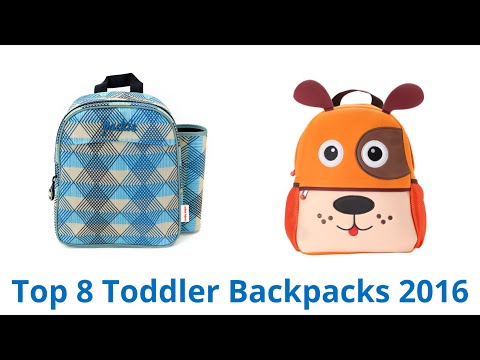
It rounds up popular toddler backpacks — Skip Hop Zoo, JJ Cole, Brica By-My-Side, Urban Infant Packie and more.
The standout category is the safety-harness/rein backpack (like the Brica By-My-Side) — for toddlers who bolt, that’s the reason to buy.
The picks weigh toddler-appropriate size, fun animal designs kids will actually wear, and features like insulated snack pockets.
Match it to your child — a harness for a runner, an insulated pocket for daycare, and a size small enough for little shoulders.
Source: Ezvid Wiki (video). Points summarized from the review; see the video for full detail.
Every RealRankly ranking is scored 0–100 on 8 independent criteria, and no company can pay to change a score. Use the weight sliders above to reweight the criteria to your own priorities. How we rank →
More videos on this topic
LittleLife Toddler Backpacks
LittleLife
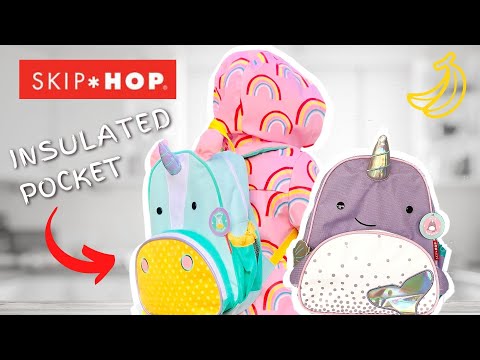
Skip Hop Zoo Toddler & Preschooler Backpack Bag | Best Backpack for Kids under 5 | Insulated Pocket!
Mama Banana
✅ 7 Best Kids Backpacks for School [2026]🎒 Preschool, Elementary, Toddler for Boys & Girls | Durable

![✅ 7 Best Kids Backpacks for School [2026]🎒 Preschool, Elementary, Toddler for Boys & Girls | Durable](https://i.ytimg.com/vi/_XOsCohduKs/hqdefault.jpg)
