✓ RealRankly Editors·Updated October 2026·10 options reviewed·100+ sources analysed
Choosing the right parenting option requires balancing safety certifications, value for money, and comfort for child - priorities that vary widely between buyers. We evaluated 10 options across 8 criteria to help you make a confident, informed decision. Adjust the sliders above to weight each criterion to match your own needs and see the ranking update in real time.
Share:
💬 What real owners actually say
Synthesized from 2026 owner reviews & discussions across social media — the things spec sheets leave out.
Kids’ running shoes are their own category. Parents note how rarely this is covered — children need lightweight, flexible, low-drop shoes for developing feet, not miniature max-cushion adult trainers scaled down.
Durability earns its keep. A genuine plus owners cite for Asics: they “absorb all kinds of abuse children experience.” Kids are brutal on shoes, so build quality translates straight into value per month worn.
Fit for growth — but not too big. Leave about a thumb’s width, not a whole size; a too-big shoe trips them up. Expect to replace often, since feet grow fast at this age.
Lightweight and flexible wins. Young runners do best in a light, bendable shoe that lets the foot move naturally — heavy, stiff, over-structured shoes fight a still-developing gait.
Match the shoe to real use. A kid who runs with a parent needs a proper running shoe; a general playground kid is fine in a sturdy trainer. Buy for how they actually use it, and don’t overspend on a foot that’ll grow out of it in months.
Each slider sets how much each criterion matters to you (0 = ignore, 10 = critical).
Ranked Results
Default weights - scroll up to customise
What the review covers — Your Next Pick
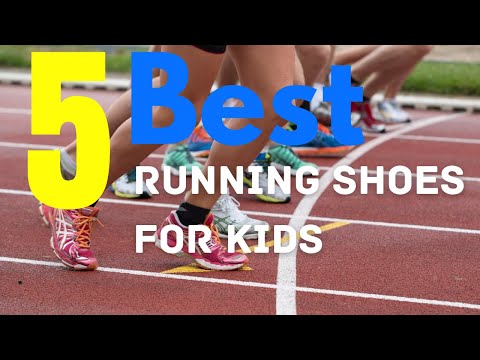
Key points from Your Next Pick’s review, picking kids' shoes by use-case — plus the full video below.
It picks by use-case — overall, cross-country/trail, track, flat-feet/overpronation, little kids, and budget.
Kids’ running shoes need comfort, grip and support for school, play and short runs — not miniature max-cushion adult trainers.
For flat feet or overpronation there’s a dedicated supportive pick — match the shoe to the child’s foot, not the hype.
Durability and value matter since kids grow fast — a budget option is called out for feet that’ll change in a few months.
Source: Your Next Pick (video). Points summarized from the review; see the video for full detail.
Every RealRankly ranking is scored 0–100 on 8 independent criteria, and no company can pay to change a score. Use the weight sliders above to reweight the criteria to your own priorities. How we rank →
More videos on this topic
Running Shoes for Kids
kofuzi
VIVOBAREFOOT Kids Shoes: Are They Really Worth the Hype?