✓ RealRankly Editors·Updated October 2026·10 options reviewed·100+ sources analysed
Choosing the right food & drink option requires balancing taste & flavour, variety & options, and delivery & freshness - priorities that vary widely between buyers. We evaluated 10 options across 8 criteria to help you make a confident, informed decision. Adjust the sliders above to weight each criterion to match your own needs and see the ranking update in real time.
Share:
💬 What real owners actually say
Synthesized from 2026 owner reviews & discussions across social media — the things spec sheets leave out.
Watch the minimums and fees. A repeated gripe: Walmart’s $35 order minimum (and a fee under it) hits fixed-income shoppers hard. Add up delivery fees, service fees and minimums before assuming delivery saves you money.
You trade produce control for convenience. Owners note services like Amazon Prime Same Day won’t let you hand-pick fruit, meat, eggs or bread — if freshness and selection matter to you, that’s a real downside of ordering through an app.
Prices often run above in-store. Comments flag per-item markups versus shelf prices on some services — the convenience can cost more than just the delivery fee, so compare before assuming parity.
Substitutions are the hidden variable. When an item’s out, the shopper subs it — and apps differ on this. Check whether you can approve or decline substitutions in real time before committing to a platform.
Match the service to how you shop. Membership models (Walmart+, Instacart+) pay off for frequent big orders; pay-per-delivery suits occasional use. Tip well, too — it noticeably affects how fast and carefully your order is handled.
Each slider sets how much each criterion matters to you (0 = ignore, 10 = critical).
Ranked Results
Default weights - scroll up to customise
What the review covers — Rossen Reports
Key points from Rossen Reports’s review, a consumer reporter on saving with delivery — plus the full video below.
A consumer reporter breaks down the grocery-delivery landscape — notably Amazon’s expanding delivery perk vs Walmart — and how to actually save.
The theme is value: fees, membership perks and coverage decide whether delivery is worth it in your area.
Big players (Amazon, Walmart, Instacart) differ on minimums and fees — check what applies where you live.
Delivery convenience comes at a markup — weigh a membership plan against how often you actually order.
Source: Rossen Reports (video). Points summarized from the review; see the video for full detail.
Every RealRankly ranking is scored 0–100 on 8 independent criteria, and no company can pay to change a score. Use the weight sliders above to reweight the criteria to your own priorities. How we rank →
More videos on this topic
Which grocery delivery option is the cheapest?
WCPO 9
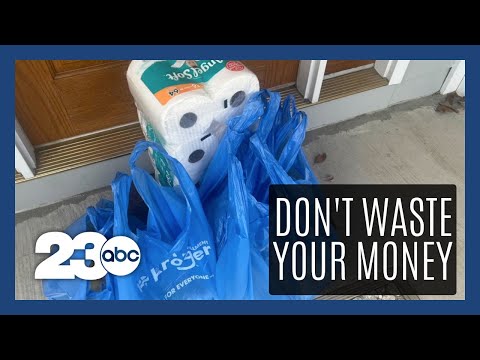
Grocery Delivery Fees | DON'T WASTE YOUR MONEY
23ABC News | KERO
Best Food Delivery App to Make the Most Money in 2025 (DoorDash vs Uber Eats vs Grubhub)
Ride Along With Bri
"Top 3 Grocery Delivery Apps in India: Zepto, BigBasket, and BlinkIt" #delivery #food #deliveryapps