I Ignored the Top-Rated Standing Desk for Months. When I Finally Caved, I Understood Every Point in the Ranking.
When I first read the standing-desk ranking, I did what a lot of us do: I scrolled to the top pick, saw the price, and decided the list was probably paid off. I bought a cheaper desk that looked identical in photos and told myself I’d saved a hundred bucks.
For six months it wobbled. Not dangerously — just enough that at full height, typing made my monitor do a little nervous shimmy. So I stopped raising it. Which means I bought a standing desk and used it as a sitting desk, which is the most expensive way to buy a normal desk.
When it finally annoyed me enough, I went back and actually read the ranking instead of skimming the order. The top pick’s highest scores were in a category I’d ignored: stability at full extension. There was a whole paragraph about frame flex and cross-bracing that I’d treated as filler. It was not filler. It was describing the exact problem I’d just paid to experience.
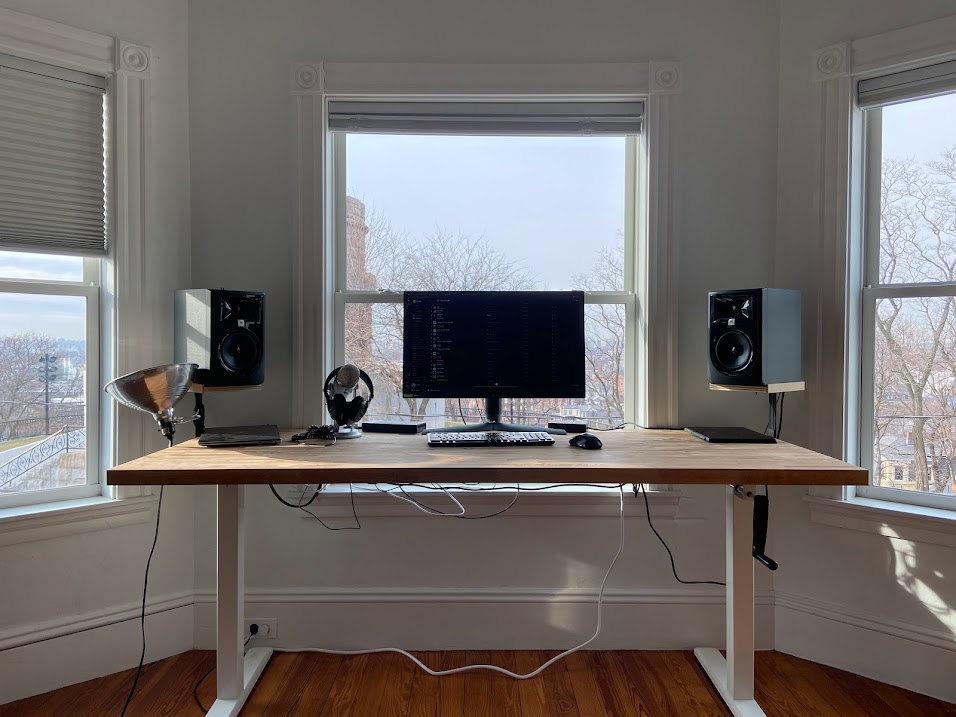
I bought the number-one desk. It is boring and it does not shimmy. At full height I can lean on it. The ranking didn’t oversell it — it sold it on precisely the thing that turned out to matter, and I was the one who wasn’t listening.
Lesson filed: the score breakdown is the useful part, not the ranking number. If I’d read why it won instead of assuming I knew, I’d have skipped the six-month detour. Anyone else buy the “smart” cheaper option and end up back at the top of the list?
Loading comments…